
Quick answer
Key takeaways
- Use AI to explain delivery signals and recommend action, not replace accountable owners
- Connect tasks, dates, dependencies, workloads, approvals, and budgets before adding predictions
- Start with one measurable workflow, review false alerts, and expand only after teams trust it
Use AI as a project control layer
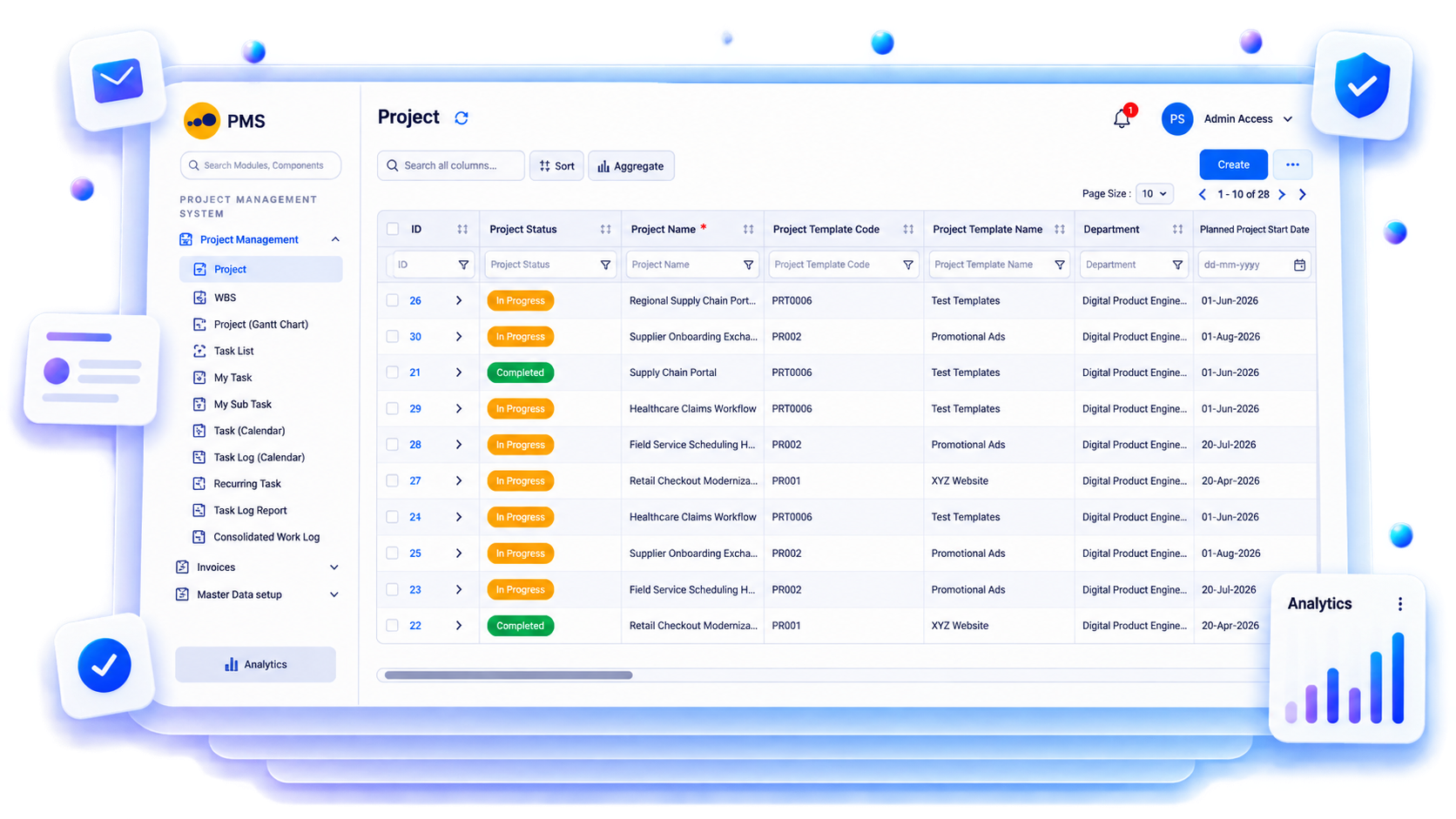
AI project management turns the signals produced by daily work into useful prompts. In Supista Projects, those signals can include task progress, missed dates, approval queues, workload, cost variance, and dependencies.
The goal is not an automated project manager. It is a control layer that notices change, explains the likely effect, and gives the responsible person enough context to act.
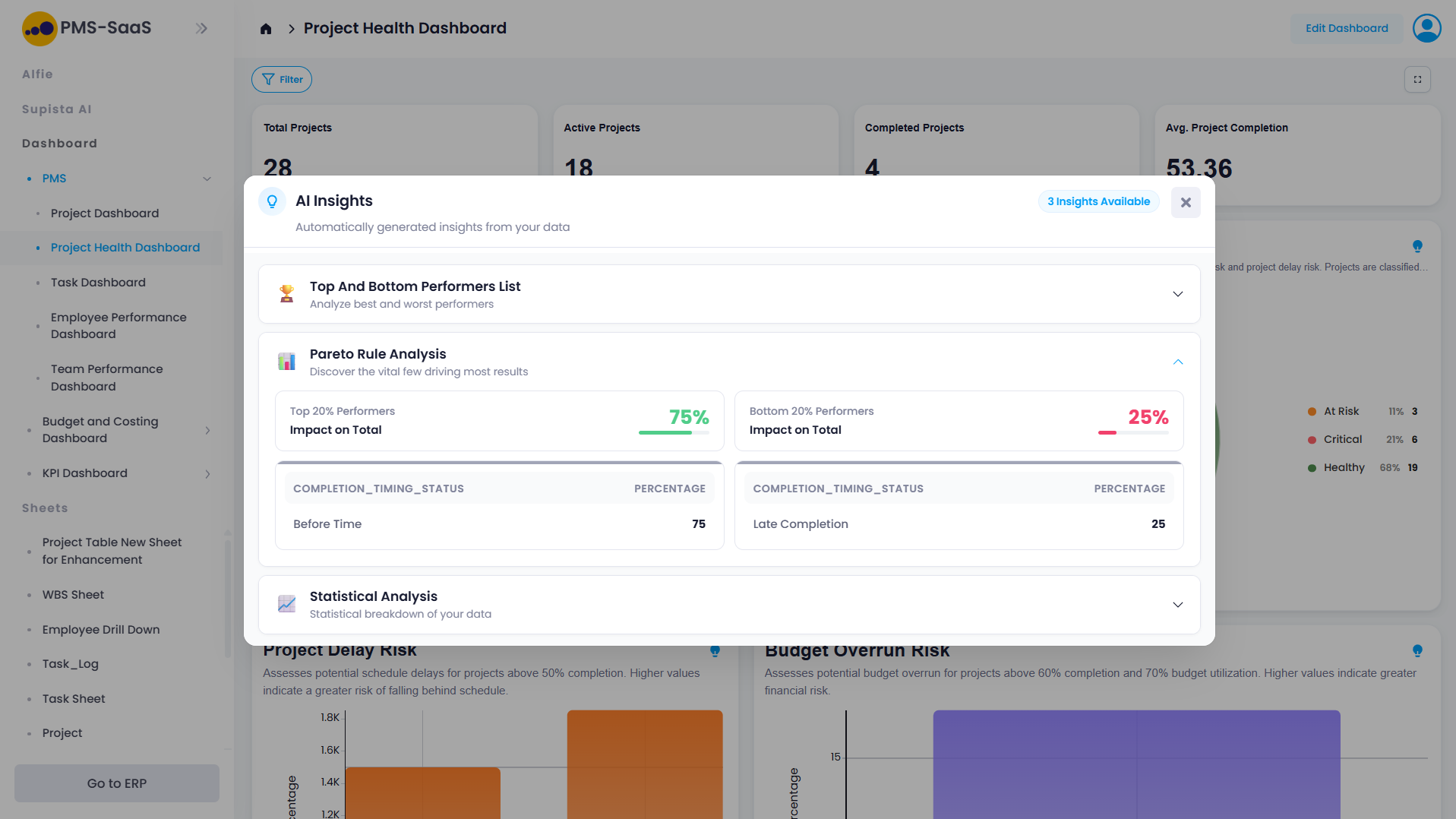
- Summarize project health from current records
- Flag schedule and budget variance early
- Prioritize work using urgency and dependencies
- Prompt owners when decisions become overdue
Build the delivery foundation before adding AI
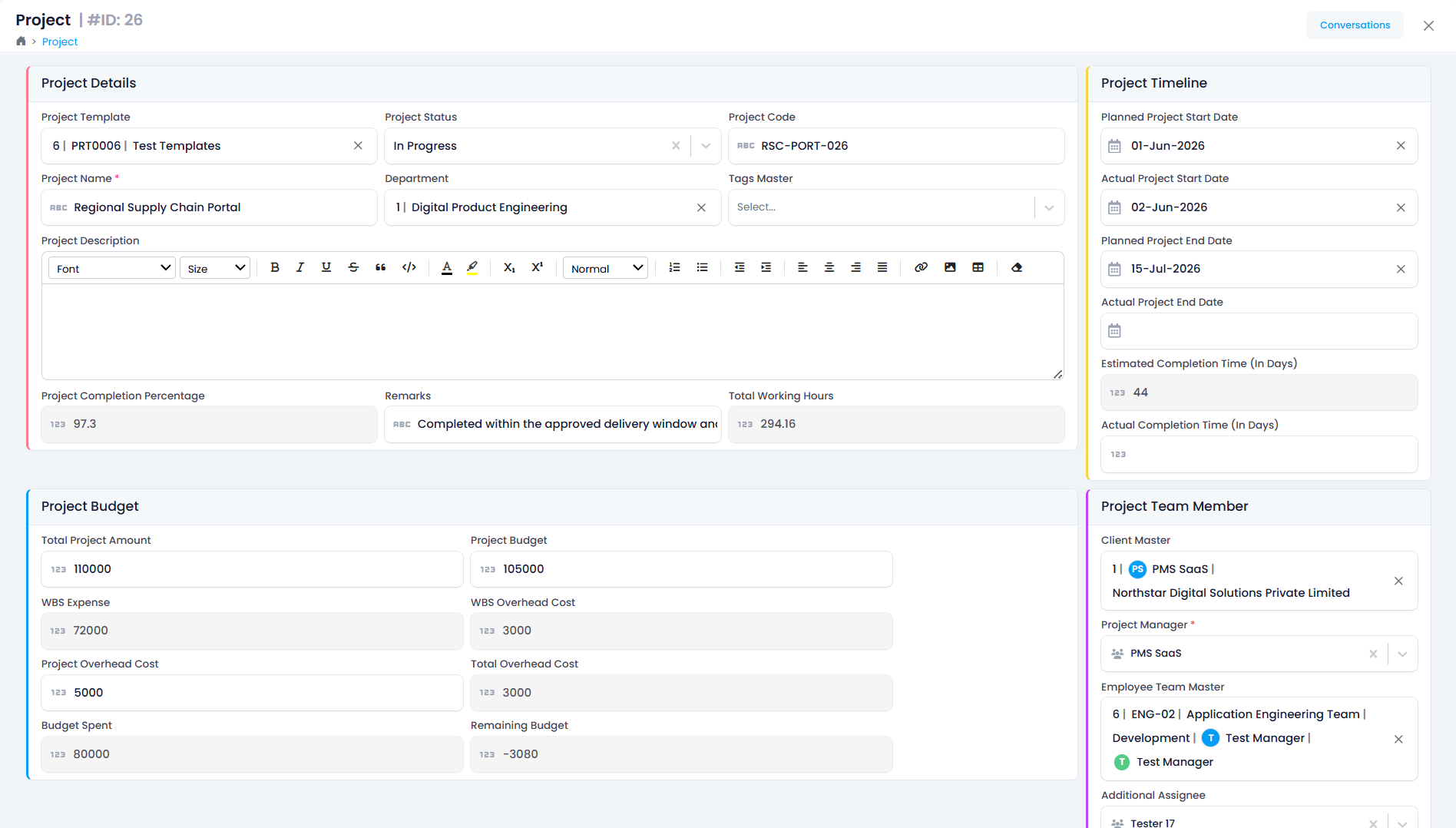
Reliable recommendations need reliable project records. Define ownership, stage, due date, planned effort, actual effort, cost, and completion in one shared system. Keep every required field useful to the person doing the work.
Then define escalation rules. A blocked predecessor may alert a delivery lead, while a material budget variance may route a decision to the sponsor. Supista Projects keeps that rule and its outcome beside the work.
Start with four high-value use cases
Choose use cases that remove repeated coordination and produce a measurable outcome. The strongest starting points are frequent, visible, and easy for the team to verify against the project record.
- Detect deadline risk from dependencies and incomplete work
- Balance assignments before specialists become bottlenecks
- Generate concise status summaries from current records
- Route overdue approvals to the right decision-maker
Measure whether AI improves delivery
Record a baseline before rollout. Useful measures include on-time milestone rate, overdue task age, forecast accuracy, approval time, budget variance, and hours spent preparing reports.
Review missed risks and false alerts alongside positive outcomes. Tune thresholds inside Supista Projects, document the change, and expand only when users understand why each prompt appears.
- Choose one delivery outcome
- Record the current baseline
- Pilot with one project team
- Review alerts with project owners
- Refine rules before scaling
Clear answers
Frequently asked questions
Can AI replace a project manager?
No. AI can analyze delivery signals, prepare summaries, and flag risk. Project managers still own trade-offs, stakeholder alignment, and accountable decisions.
What data does AI project management need?
Start with owners, dates, dependencies, status, planned effort, actual effort, approvals, and budget records. Consistent operational data is more useful than large volumes of incomplete data.
Put the guide into practice
Control delivery without adding reporting work
Connect plans, owners, approvals, budgets, workloads, and risks in Supista Projects.