
Quick answer
Key takeaways
- Translate every material risk into an observable trigger
- Assign a risk owner, response owner, due date, and escalation path
- Connect Supista Projects alerts to decisions instead of awareness alone
Why static risk registers fail
A register can document thoughtful risks and still fail to protect delivery. Reviews may be infrequent, triggers vague, or mitigation actions disconnected from daily work.
Supista Projects can connect each material risk to tasks, dependencies, approvals, effort, cost, and a defined response path. That turns risk management into an operating rhythm.
Give every risk six working parts
Use plain language. Anyone reviewing the Supista Projects risk should understand the exposure, what to watch, who acts, and what happens next.
- Clear cause and consequence
- Likelihood and impact
- Named risk owner
- Observable trigger and threshold
- Preventive action with a due date
- Response owner and escalation path
Connect risks to live delivery signals
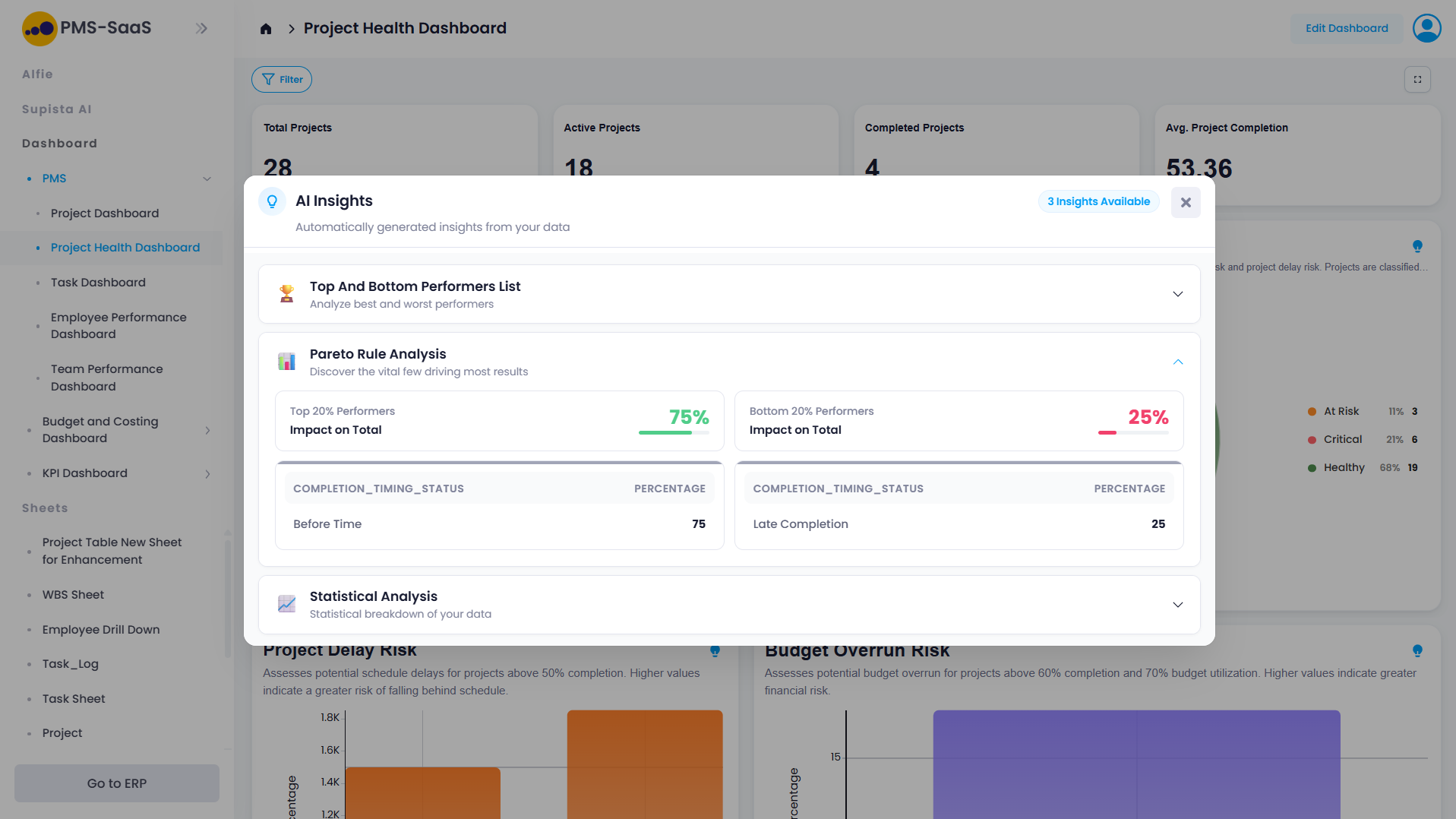
Useful signals include a missed predecessor, late approval, rising effort variance, repeated rework, overloaded specialist, cost change, or unresolved high-priority issue.
Supista Projects brings these signals into the same view as milestones, tasks, and owners. The alert should name the exposed outcome and the next decision, not simply announce that risk exists.
Run risk reviews by exception
Review newly triggered and materially changed risks first. Confirm the response, owner, due date, and forecast effect in Supista Projects. Close a risk only when its exposure has genuinely passed.
- Triage triggered risks first
- Challenge changes in likelihood or impact
- Confirm the response owner and due date
- Update the delivery forecast
- Close only with supporting evidence
Clear answers
Frequently asked questions
What is an early-warning system in project management?
It monitors observable project signals against defined risk triggers, then alerts the right owner with enough context to act before delivery is materially affected.
How often should project risks be reviewed?
Monitor triggers continuously and review material changes weekly. Critical risks may require immediate escalation outside the normal review cycle.
Put the guide into practice
Control delivery without adding reporting work
Connect plans, owners, approvals, budgets, workloads, and risks in Supista Projects.