
Quick answer
Key takeaways
- Plan with usable capacity instead of treating contracted hours as available
- Review scarce skills separately from total headcount
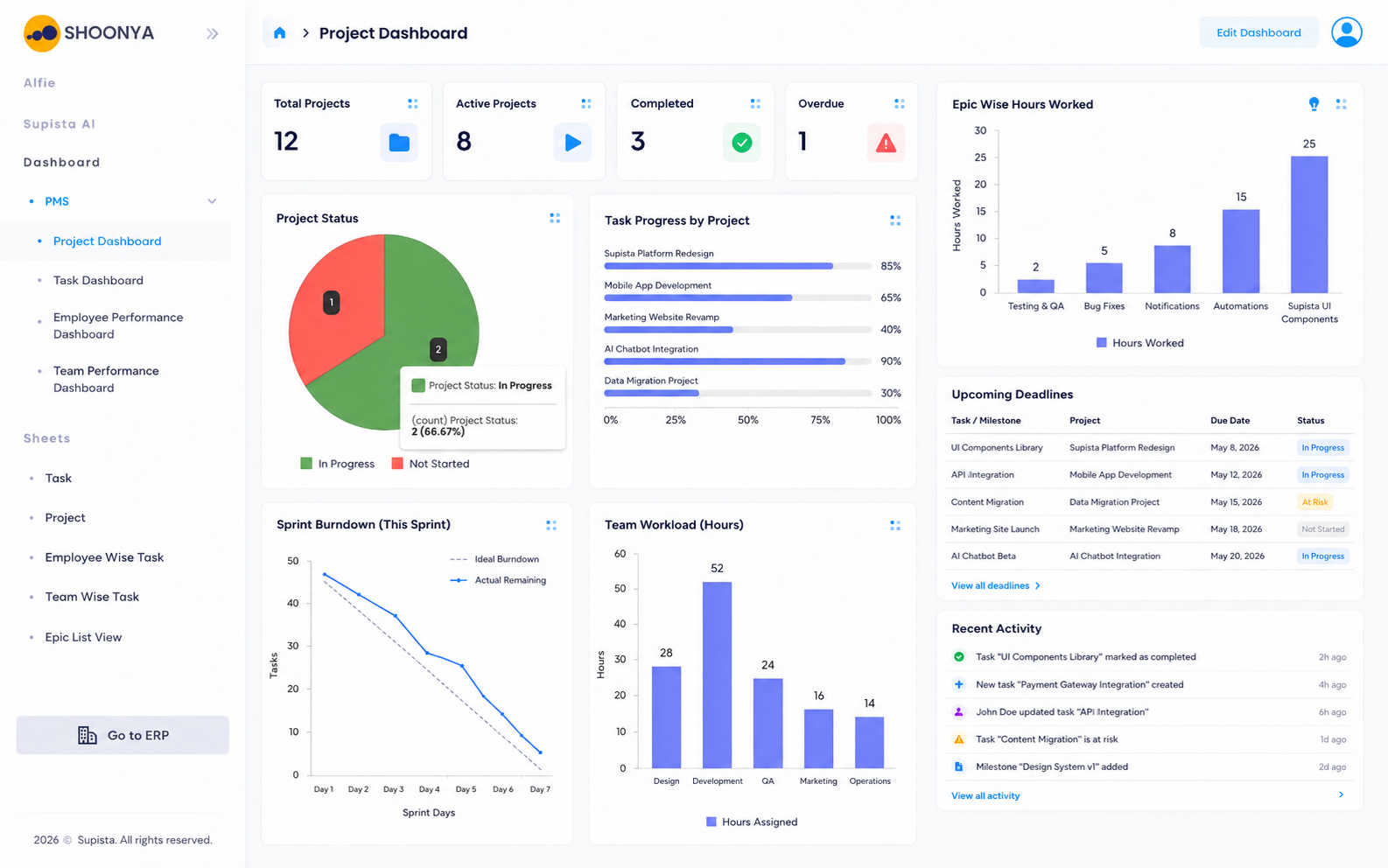
- Use Supista Projects to rebalance future assignments before work becomes overdue
Capacity is more than headcount
Ten people do not equal ten interchangeable resources. Effective capacity depends on role, skill, leave, recurring duties, existing assignments, and the focused time each person can actually commit.
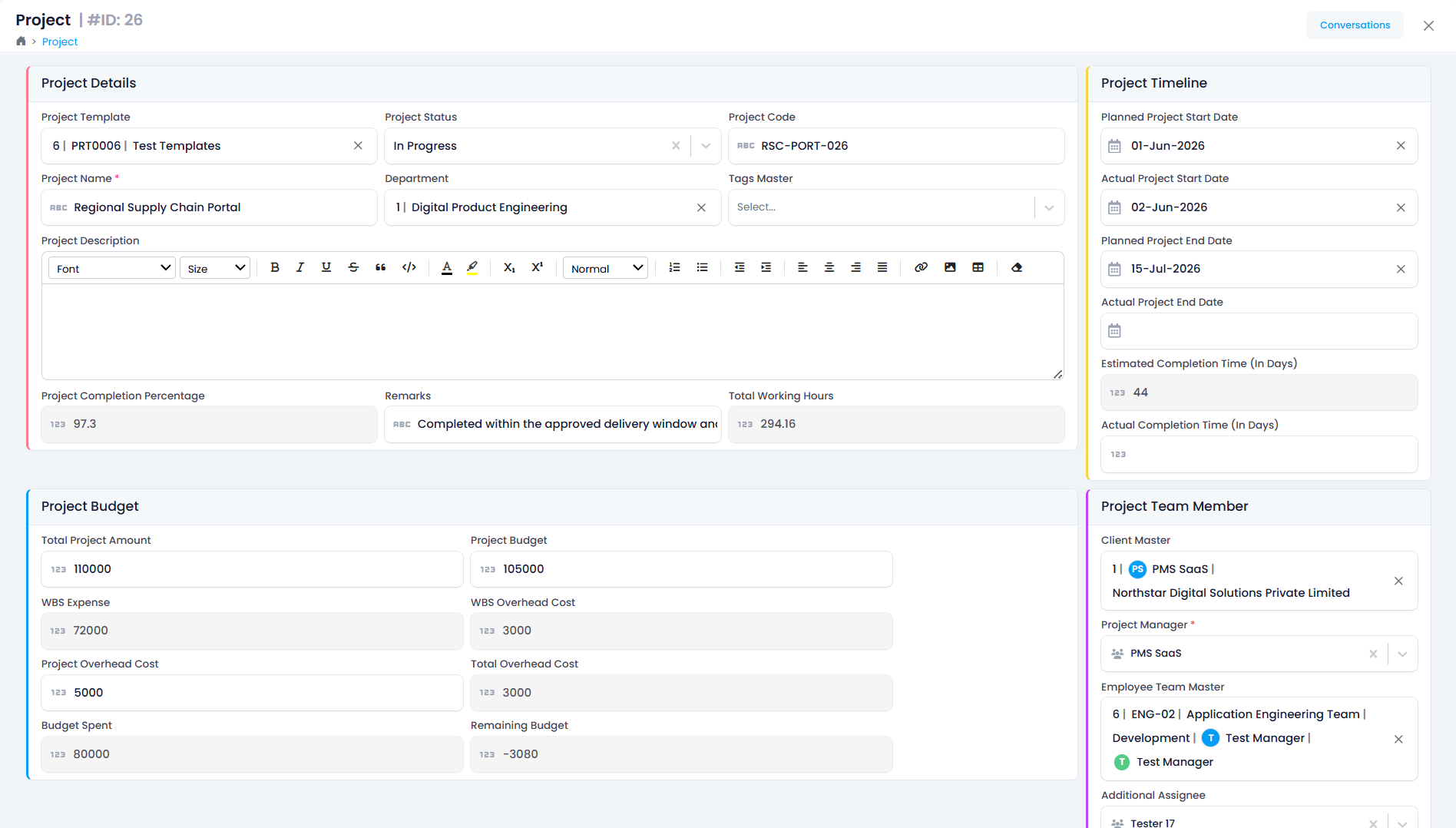
A credible Supista Projects plan separates contracted time from usable delivery capacity and keeps assumptions visible to delivery managers.
Connect four planning inputs
Resource decisions improve when demand and availability use the same time horizon and level of detail. Supista Projects connects assignments and remaining effort with the project schedule.
- Confirmed and probable project demand
- Availability after leave and recurring duties
- Skills required by milestone
- Current assignments and remaining effort
Balance work before the bottleneck forms
Review future overload by week, role, and skill. Move flexible work, adjust sequencing, prepare backups, or revise commitments while options still exist.
Do not make continuous 100% allocation the goal. Plans need room for collaboration, uncertainty, reviews, and urgent work that cannot be scheduled perfectly.
Use three planning horizons
Use daily views for immediate conflicts, weekly views for assignment decisions, and monthly or quarterly views for hiring, capability development, and portfolio sequencing.
- Daily — resolve blocked or urgent work
- Weekly — rebalance assignments and leave
- Monthly — sequence demand across projects
- Quarterly — plan hiring and skill development
Clear answers
Frequently asked questions
What is resource capacity planning?
It compares expected project demand with the usable time and skills available, helping teams make realistic commitments and prevent bottlenecks.
What is a healthy utilization target?
The right target varies by role and uncertainty. Plan below theoretical maximum so teams retain capacity for collaboration, unplanned work, and changes.
Put the guide into practice
Control delivery without adding reporting work
Connect plans, owners, approvals, budgets, workloads, and risks in Supista Projects.