
Practical EPC guide
What a construction Daily Project Report should capture
Build a useful DPR for progress, quantities, labour, equipment, material, blockers and site evidence.
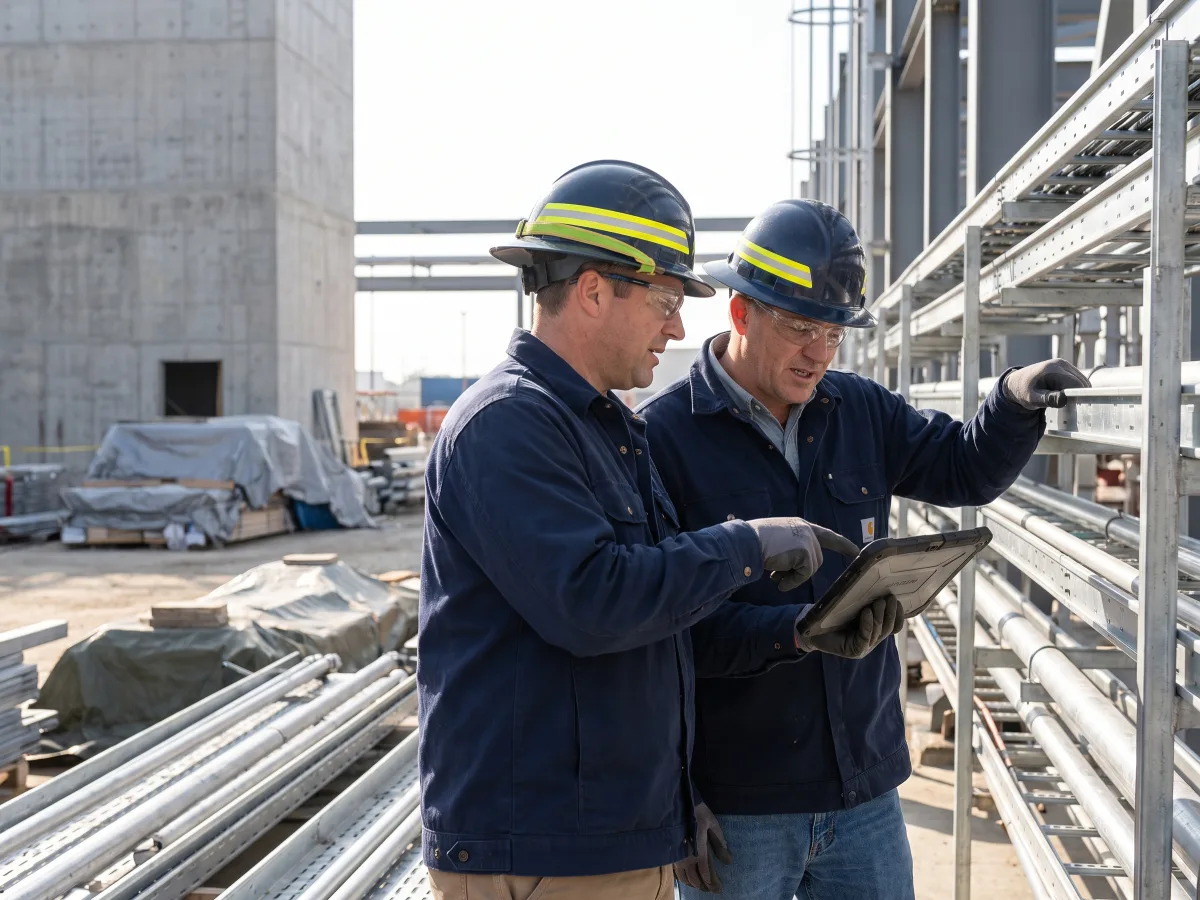
Short answer: A good DPR records what the site completed, the quantity achieved, resources used, material status, blockers and evidence. It should help a manager compare today with the plan.
Remember these three points
- Record quantities, not only notes
- Capture delay causes on the same day
- Keep the form easy for site teams
Start with the right context
Record the project, date, location, shift, activity and submitter. Link the BOQ item or work package when it helps progress and bill review.
- Project, site and date
- Shift or activity
- Responsible team
- BOQ or plan reference
Record output and resources together
Show planned and actual quantities beside manpower and equipment. If work stopped, record the time and reason while the facts are fresh.
- Planned and actual work
- Quantity and unit
- Manpower by trade
- Equipment use and idle time
Explain what blocked the work
Record material shortages, access delays, weather, safety issues, quality observations and instructions. Add the responsible party and likely impact.
Turn daily records into early warnings
Review missing DPRs, repeated blockers, idle resources and planned-versus-actual trends. A DPR becomes useful when it drives the next action.
Common questions
Should a DPR include site expenses?
The DPR may note resource use. Keep expense amounts, receipts, allocations, approvals and settlements in a controlled expense record. Review both together.
Can AI write a DPR automatically?
AI can organise facts supplied by an authorised user and ask for missing details. It should not invent site facts or approve the DPR.